

At Clifton Modern Dentistry, we combine up-to-date materials and careful technique to restore teeth that are broken, weakened, or cosmetically compromised. Ceramic crowns are a versatile restorative option that protect damaged tooth structure while preserving a natural appearance. This page explains when a crown is appropriate, how modern ceramic options differ from older materials, and what to expect from treatment.
Even though tooth enamel is incredibly strong, teeth can still suffer from decay, fractures, or wear that undermine their function and appearance. In many cases a filling can repair a small area of damage, but when much of the tooth is missing or structurally unstable, a full-coverage crown is the more predictable solution. A crown rebuilds the tooth’s form, restores biting strength, and seals the remaining tooth structure against future problems.
Advances in dental ceramics mean crowns can now be metal-free while still offering excellent strength and lifelike aesthetics. These materials are engineered to mimic natural tooth translucency and surface texture, so a ceramic crown can blend with adjacent teeth without a visible metal margin at the gumline. The result is a restoration that is both functional and attractive.
Our aim throughout treatment is to balance longevity and appearance. We tailor every plan to the tooth’s location, the patient’s bite, and the visual goals for the smile—so you receive a ceramic crown solution that performs well and looks right.
A crown is typically recommended when a tooth has lost too much healthy structure for a filling to restore it reliably. Without adequate support, a repaired tooth is more likely to fracture or fail. A crown encases the remaining tooth, redistributing chewing forces and preventing further breakage.
Crowns are also commonly used after root canal therapy to protect a tooth that has been weakened by treatment. Similarly, large or fractured fillings can compromise tooth walls, making a full-coverage restoration the safer long-term choice. Crowns provide the reinforcement that helps teeth function normally again.
Beyond strength, crowns are used to improve the appearance and proportion of teeth that are misshapen, discolored, or undersized. They can serve as abutments for bridges or be attached to dental implants to replace missing teeth. In short, crowns restore form, function, and confidence in a single solution.
Repair and rebuild teeth with extensive decay or traumatic damage
Replace large, failing, or fractured fillings where a filling alone is insufficient
Restore dental implants with a definitive crown to replace missing teeth
Provide reliable support for the abutment teeth that anchor a dental bridge
Protect and strengthen teeth after root canal therapy
Improve the appearance of teeth that are discolored, misshapen, or uneven
Address bite issues by restoring vertical dimension and occlusal contacts

Contemporary ceramic crowns deliver a combination of strength, biocompatibility, and optical qualities that make them an excellent choice for many patients. Unlike crowns with a metal substructure, all-ceramic restorations avoid the dark line at the gum and interact with light similarly to natural enamel, producing a more seamless smile.
New ceramic materials—engineered glass ceramics and zirconia variants—offer graded options for translucency and flexural strength, allowing clinicians to match the material to the tooth’s position and functional demands. In everyday use these crowns resist staining, wear well against opposing teeth, and are gentle on surrounding soft tissues.
Because ceramics are metal-free, they are also suitable for patients who prefer to avoid metal restorations for health or cosmetic reasons. The combination of aesthetic realism and predictable mechanical performance has made all-ceramic crowns the preferred choice for many anterior and posterior restorations.
When aesthetic concerns are a priority, ceramics can be layered or shaded to recreate subtle color gradients and surface texture. For high-load areas, denser ceramic formulations offer greater fracture resistance while still providing a pleasing visual result.
Natural translucency and lifelike surface sheen that mimic real teeth
Often require less tooth reduction with newer, stronger materials
Lighter and metal-free—reducing the risk of visible margins or allergy concerns
Resistant to staining and compatible with gum tissue health
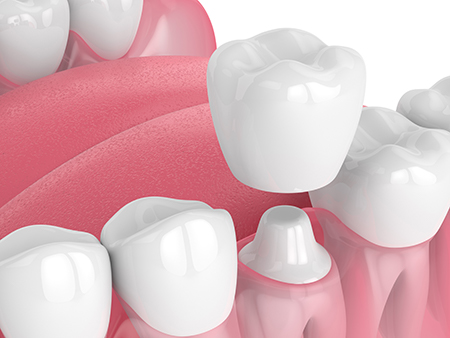
Treatment starts with a careful exam and a discussion of your goals. We evaluate the tooth’s remaining structure, the bite, and neighboring teeth to determine the most appropriate ceramic material and restoration design. Digital imaging and impressions help us visualize the final result and streamline the workflow.
Tooth preparation is conservative whenever possible: the tooth is shaped to create space for the crown while preserving healthy structure. We often use digital scanners to capture precise impressions, which reduce the need for uncomfortable traditional molds and improve the accuracy of the final restoration.
A temporary crown protects the prepared tooth while a laboratory milled crown is fabricated or a same-day restoration is produced. During the final appointment the crown is assessed for fit, occlusion, and shade match; adjustments are made and the restoration is permanently cemented using materials selected for long-term retention and biocompatibility.
After placement, we check how the crown functions with surrounding teeth and make any fine adjustments needed to ensure comfort and efficient chewing. Routine exams and hygiene visits help monitor the health of the crown and the supporting tooth over time.
Not all ceramics are the same—each material has specific strengths and aesthetic properties. The choice depends on where the tooth sits in the mouth, how much chewing force it bears, and how closely it must match adjacent teeth in color and translucency. We weigh these factors to recommend the best material for your situation.
For front teeth where translucency and a delicate surface appearance are important, glass-ceramics such as lithium disilicate provide excellent optical properties. For back teeth that endure heavier forces, high-strength zirconia or monolithic zirconia offers durability with a dependable track record under load.
Pressable porcelain with leucite reinforcement can be an attractive middle ground for some cases, combining aesthetic layering options with solid strength. Each option comes with trade-offs, and our clinical decision-making focuses on matching material performance to the tooth’s role and your cosmetic expectations.
Common ceramic choices include:
Lithium disilicate (highly esthetic glass-ceramic)
Leucite-reinforced pressable porcelain
Solid or monolithic zirconia for high-strength applications
High-translucency zirconia for a balance of strength and esthetics

Predictable outcomes depend on thoughtful planning, precise execution, and quality materials. Our team focuses on each of these elements—careful diagnosis, clear communication about goals, and attention to detail during preparation and placement—to help ensure your crown performs well over time.
We integrate digital tools and modern ceramic options to create restorations that look natural and function reliably. By tailoring the material selection and restoration design to each tooth’s unique needs, we aim to minimize future complications and maximize comfort and longevity.
If you are considering a ceramic crown, our clinicians will walk you through the sequence of care, explain the characteristics of the recommended materials, and outline the steps involved so you know what to expect at every appointment.
To learn more about ceramic crowns or to discuss whether one is the right solution for your tooth, please contact us for additional information or to schedule a consultation.


A ceramic crown is a full-coverage dental restoration that encases the visible portion of a damaged or weakened tooth. It restores the tooth's shape and function while protecting the remaining tooth structure from further fracture. Crowns are fabricated to fit precisely over a prepared tooth and are permanently cemented or bonded into place.
Once seated, a properly designed ceramic crown redistributes chewing forces and seals margins to reduce the risk of recurrent decay. Modern ceramics are engineered to mimic enamel translucency and surface texture for a natural look. With correct material selection and placement, crowns can return normal biting function and appearance to a compromised tooth.
A ceramic crown is typically recommended when a tooth has lost too much healthy structure for a filling to provide reliable support. Large fractures, extensive decay, or teeth weakened by repeated restorations often need full coverage to prevent further breakage. Teeth that have undergone root canal therapy are also common candidates because they can become more brittle over time.
Crowns are also chosen for aesthetic reasons when a tooth is severely discolored, misshapen, or does not match surrounding teeth. They can serve as abutments for bridges or be attached to implants to replace missing teeth. Your clinician will evaluate the amount of remaining tooth structure, bite forces, and cosmetic goals before recommending a crown.
Several ceramic options are used for crowns, each with different strengths and aesthetic properties. Lithium disilicate is a glass-ceramic prized for its excellent translucency and is often used in front teeth. Leucite-reinforced pressable porcelain offers attractive layering effects, while zirconia and monolithic zirconia provide high fracture resistance for back teeth that endure greater chewing forces.
High-translucency zirconia can offer a compromise between strength and esthetics for cases needing both durability and a natural appearance. Material selection depends on the tooth's location, the patient's bite, and the desired cosmetic outcome. Your dentist will explain the trade-offs and recommend the best ceramic for your situation.
Treatment begins with a clinical exam, radiographs, and a discussion of goals to determine the appropriate material and design. The tooth is prepared by shaping its surface to create space for the crown while preserving as much healthy structure as possible. Many practices now use digital scanners to capture precise impressions, which improves communication with the dental laboratory and can reduce remakes.
A temporary crown protects the prepared tooth while the final restoration is fabricated or milled, and the final appointment includes careful fit, occlusion, and shade verification. Adjustments are made as needed before the crown is permanently cemented with a biocompatible adhesive. After placement, the dentist checks how the crown functions with opposing teeth and makes any final refinements for comfort and efficiency.
The longevity of a ceramic crown depends on material choice, oral hygiene, occlusal forces, and regular professional care. Many crowns last a decade or longer when properly maintained, though individual results vary based on habits and clinical factors. Avoiding habitual chewing of hard objects and protecting teeth during sports or bruxism can help extend the life of a restoration.
Daily brushing with a fluoride toothpaste and interdental cleaning are essential to prevent decay at the crown margins and to maintain gum health. Routine dental exams allow early detection of wear, marginal problems, or underlying tooth issues. If sensitivity, a change in fit, or persistent discomfort occurs, contact your dental team for assessment.
Ceramic materials used for crowns are generally biocompatible and well tolerated by oral tissues because they are metal-free and chemically stable. Most patients experience minimal irritation of the surrounding gum tissue when restorations are properly contoured and polished. Ceramics also resist staining and do not corrode, which contributes to long-term tissue compatibility.
True allergic reactions to dental ceramics are rare, but you should disclose any known material sensitivities or medical history to your dentist before treatment. Clinicians monitor periodontal health around crowns and recommend appropriate hygiene measures to keep surrounding tissues healthy. Careful planning and material selection reduce the risk of adverse responses.
Yes. Modern ceramic systems are designed to mimic the translucency, color gradients, and surface texture of natural enamel, allowing crowns to blend seamlessly with adjacent teeth. Laboratory techniques such as layering porcelain and custom shading recreate subtle variations in color, while surface characterization provides a lifelike sheen. For cases where esthetics are critical, clinicians use digital shade matching and detailed communication with the lab to achieve excellent results.
Digital impression systems and intraoral scanners improve color and shape communication between the office and the lab, which enhances consistency of the final restoration. When precise shade matching and contouring are needed, a tailored approach combining digital tools and skilled ceramic artistry produces the best outcomes. Discussing your visual priorities with your dentist helps guide the selection of materials and finishing techniques.
After a crown is placed, you may experience mild sensitivity to temperature or pressure for a short period, especially if the tooth required extensive preparation. Temporary crowns sometimes shift slightly, so it is important to avoid sticky or hard foods until the final restoration is confirmed. Any discomfort is usually manageable with over-the-counter analgesics and resolves as the gum tissue adapts.
Your dentist will check the bite and make final adjustments to ensure comfortable chewing and proper contacts with opposing teeth. Routine follow-up and hygiene visits help monitor the crown's margins and surrounding tissues. Contact the office if you notice persistent pain, loosening of the crown, or changes in bite alignment so the issue can be addressed promptly.
Ceramic crowns are commonly used on both dental implants and as the occluding portion of bridges, and they provide excellent esthetics and function in these applications. On an implant, the crown is attached to an abutment that connects with the implant fixture, and the restoration is designed to distribute forces appropriately. For bridges, crowns on the abutment teeth provide stable support for the pontic that replaces a missing tooth.
Material and connector design are selected to withstand occlusal loads while maintaining a lifelike appearance, particularly in the smile zone. The clinician evaluates implant position, bone support, and bite dynamics to determine the most suitable ceramic and restorative design. Proper planning and precise fabrication help ensure longevity and predictable performance in these restorative scenarios.
At Clifton Modern Dentistry, treatment begins with a thorough exam, diagnostic imaging, and a discussion of aesthetic and functional goals to inform material selection and restoration design. We use digital tools such as intraoral scanning and detailed digital planning to capture accurate impressions and communicate precise specifications to the dental laboratory or milling system. This digital workflow improves fit and reduces the need for multiple adjustments.
Our clinicians and technicians focus on occlusion, margin integrity, and shade matching to deliver restorations that function well and look natural. Careful preparation, provisional restorations when appropriate, and final occlusal refinement help minimize complications and enhance patient comfort. Follow-up hygiene visits allow us to monitor the restoration and supporting tissues over time to maintain predictable results.

Have Questions or Need an Appointment?
Getting in touch with Clifton Modern Dentistry is simple! Call us or use our online form, and our friendly team will help you schedule visits, answer your questions, and guide you toward the best care for your smile.
Don’t wait—start your journey to a healthier, brighter smile today!