
Keeping your smile healthy starts at home, but professional dental cleanings play a crucial role in preventing problems that regular brushing and flossing can miss. Even patients who are meticulous about home care can develop plaque and hardened deposits in tight spaces and along the gumline. Regular, thorough cleanings remove those hidden buildups and give your mouth a fresh start between visits.
Professional cleanings remove plaque and tartar that cannot be eliminated with a toothbrush alone. These deposits provide a sheltered environment for bacteria that contribute to cavities and periodontal disease. When plaque hardens into tartar, it adheres to tooth surfaces and can only be removed safely by a trained clinician using specialized instruments.
Beyond removing visible deposits, cleanings allow clinicians to identify early signs of oral disease before they become more serious. Minor inflammation, early gum recession, or small areas of decay are easier and less invasive to treat when caught early—making routine visits a key component of long-term oral health.
Cleanings also support overall well-being. Research increasingly links oral inflammation with systemic conditions such as heart disease and diabetes. By reducing bacterial load and controlling gum inflammation, regular professional care can be an important part of maintaining a healthier body as well as a healthier mouth.
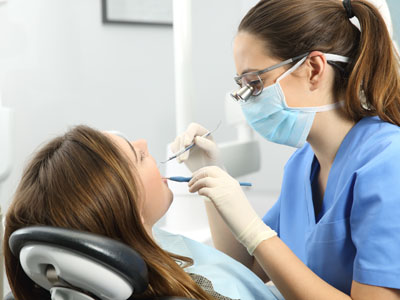
A typical cleaning begins with a brief exam to assess gum health, tooth stability, and any visible concerns. Your dental hygienist may use small mirrors, probes, or digital images to get a clear picture of your current oral condition. This quick check helps prioritize treatment and identify areas that may need closer attention during the appointment.
Scaling removes tartar and plaque from tooth surfaces and just below the gumline. Many practices combine hand instruments with an ultrasonic scaler—a tool that uses gentle vibrations and a water spray to loosen calculus efficiently. Skilled clinicians tailor their approach to each patient, selecting techniques that are effective while minimizing sensitivity.
After scaling, teeth are polished to clear away surface stains and smooth the enamel. The hygienist will typically finish with thorough flossing and a discussion of any findings, such as areas of concern or techniques to improve at-home care. If necessary, additional preventive measures like topical fluoride or targeted hygiene instructions may be offered to strengthen enamel and reduce future risk.
Not every mouth needs the same schedule. Some patients benefit from cleanings every six months, while others—especially those with a history of periodontal disease—may need more frequent maintenance. During each visit, clinicians evaluate gum pocket depths, bleeding on probing, and signs of attachment loss to determine the most appropriate interval for follow-up care.
When inflammation or deeper pockets are identified, a personalized plan is developed to address the problem. This can include more frequent hygiene visits, focused scaling below the gumline, and coaching on techniques to control plaque at home. The goal is to stabilize gum health and prevent progression to more complex conditions that require advanced treatment.
Consistency is essential: regular professional care helps keep inflammation in check and preserves the structures that support your teeth. For patients on periodontal maintenance programs, cleanings are part of a long-term strategy to protect function, comfort, and the overall health of the mouth.
Professional care and daily home hygiene work together. Brushing twice a day with a fluoride toothpaste and cleaning between teeth once daily significantly reduces the rate at which plaque accumulates. Small changes—like using an interdental brush for wider spaces or asking your hygienist about proper flossing technique—can make a noticeable difference at your next visit.
Diet and lifestyle choices also influence oral health. Limiting frequent snacking on sugary or acidic foods reduces the food supply for harmful bacteria and helps protect enamel. Staying hydrated and chewing sugar-free gum after meals can stimulate saliva flow, which neutralizes acids and aids natural cleansing between cleanings.
For people with sensitive teeth, toothbrush abrasion, or enamel wear, your dental team can recommend gentler techniques or specific products that protect while maintaining cleanliness. Integrating these tailored habits into your routine helps each professional cleaning last longer and reduces the likelihood of problems developing between appointments.
Modern cleanings are designed to be comfortable and efficient. If you experience sensitivity or anxiety, clinicians can adapt techniques, use topical desensitizers, or offer breaks during the procedure to ensure a positive experience. Open communication with your hygienist helps them respond to discomfort and tailor treatment to your needs.
Strict infection control and sterilization practices are standard in contemporary dental care. Instruments are cleaned and sterilized according to regulatory guidelines, disposable barriers are used where appropriate, and clinical staff follow protocols to maintain a safe environment for every patient. These measures protect both patients and the dental team.
Many practices also incorporate digital tools to enhance care—accurate records, intraoral imaging, and digital charts help clinicians track changes over time and coordinate any additional treatments you may need. Technology supports better diagnosis and a more seamless patient experience, while the human element of attentive care ensures your visit stays focused on your comfort and outcomes.
Regular dental cleanings are a cornerstone of preventive oral care: they remove deposits that home care can miss, allow for early detection of problems, and support both gum health and overall wellness. When combined with consistent home habits and individualized professional guidance, cleanings help preserve your smile for years to come.
At Clifton Modern Dentistry, our team is committed to providing thorough, comfortable, and evidence-based cleanings tailored to each patient. If you have questions about what to expect or want guidance on an appropriate cleaning schedule, please contact us for more information.


A professional dental cleaning is a clinical visit in which a licensed hygienist or dentist removes plaque and hardened tartar from tooth surfaces and just below the gumline. The appointment usually begins with a brief exam to assess gum health, pocket depths, and any visible areas of concern so the clinician can prioritize care. Digital images or measurements may be taken to document your baseline and track changes over time.
Treatment commonly includes scaling with hand instruments and an ultrasonic scaler to dislodge calculus, followed by polishing to smooth enamel and remove surface stains. The hygienist will floss between teeth and provide targeted home care recommendations based on what they observe. If additional preventive measures are needed, such as topical fluoride or hygiene coaching, these are discussed before you leave.
The typical interval for routine cleanings is every six months for many patients because this frequency helps control plaque accumulation and allows early detection of problems. However, the ideal schedule is individualized based on factors such as your gum health, history of decay, systemic health conditions, and how well you maintain oral hygiene at home. During each visit clinicians evaluate pocket depths, bleeding, and other markers to determine the most appropriate follow-up interval.
Some patients benefit from more frequent maintenance, particularly those with a history of periodontal disease or certain medical conditions that affect oral health. Your dental team will explain why a particular interval is recommended and adjust the plan as your condition changes. At Clifton Modern Dentistry we work with each patient to create a schedule that balances prevention and practicality.
Tartar, also called calculus, forms when plaque hardens on tooth surfaces and along the gumline, and once mineralized it adheres tightly to enamel and root surfaces. Toothbrushes and floss can remove soft plaque but are not effective at dislodging hard calculus because it bonds to the tooth. Specialized instruments and professional techniques are required to remove these deposits safely without damaging surrounding tissues.
Leaving tartar in place creates a protected environment for bacterial growth that contributes to cavities and gum inflammation, so professional removal is an important preventive step. Regular cleanings disrupt these reservoirs of bacteria and help prevent progression to periodontal disease. Hygienists are trained to remove tartar thoroughly while minimizing discomfort and preserving tooth structure.
Most patients experience minimal discomfort during routine cleanings, although sensitivity can occur, especially when removing tartar near the gumline or from exposed root surfaces. Clinicians use gentle techniques, topical desensitizers, and pacing to reduce discomfort, and they will pause if you need a break. Communicating any sensitivity or anxiety beforehand helps the team tailor the visit for your comfort.
If you have pronounced sensitivity or advanced gum recession, the hygienist may recommend specific desensitizing toothpaste, fluoride varnish, or alternative instrumentation to protect sensitive areas. In cases of significant discomfort related to active disease, a more gradual treatment plan may be recommended to stabilize the tissues. Open communication ensures your visit remains as comfortable and effective as possible.
Professional cleanings remove the plaque and tartar that harbor bacteria known to trigger inflammation of the gums, which is the first step in periodontal disease. By eliminating these deposits and monitoring pocket depths and bleeding on probing, clinicians can identify early signs of gingivitis before it progresses. Early intervention makes treatment simpler and more successful.
When deeper pockets or persistent inflammation are detected, the dental team can develop a tailored plan that may include more frequent maintenance, focused scaling below the gumline, and enhanced home care techniques. Consistent professional care combined with daily oral hygiene helps control the bacterial load and prevents loss of attachment and bone support. Maintenance cleanings are a key component of long-term periodontal stability.
During a cleaning the clinician may recommend topical fluoride, particularly for patients at higher risk of decay, to help strengthen enamel and reduce sensitivity. Sealants are sometimes discussed for specific grooves or pits that are difficult to keep clean, especially on younger patients or those with deep fissures. The hygienist can also provide targeted instruction on brushing, flossing, and the use of interdental aids tailored to your oral anatomy.
Other preventive options include recommending desensitizing agents for sensitive areas, suggesting antimicrobial rinses for patients with higher bacterial loads, and coordinating with the dentist for any needed restorations that contribute to plaque retention. These adjuncts are chosen based on clinical findings and your individual risk profile. The goal is to maximize the protective benefit of each visit and reduce the need for more invasive care later.
Preparation for a cleaning is simple and helps the appointment run smoothly: arrive with a current list of medications and let the team know about any changes in your medical history. If you experience dental anxiety, inform the staff ahead of time so they can plan calming measures and allow extra time. Bring any questions about home care or recent changes you have noticed in your mouth.
Avoid skipping your normal oral hygiene the day of the visit, as clinicians rely on visual and tactile assessment to make informed recommendations. If you have a history of bleeding disorders or a condition that requires special precautions, share that information in advance. Clear communication ensures a safe and effective cleaning tailored to your needs.
Yes, regular professional dental care can contribute to overall health by reducing oral inflammation and lowering the bacterial burden that may influence systemic conditions. Research has shown associations between periodontal inflammation and systemic diseases such as diabetes and cardiovascular conditions, and controlling oral disease is a component of a comprehensive health strategy. Cleanings also provide an opportunity to detect oral signs that may warrant medical follow-up.
Routine visits allow clinicians to identify changes early and coordinate care with your medical providers when appropriate, which supports better outcomes for both oral and whole-body health. While dental cleanings are not a cure for systemic disease, they are an important preventive measure that complements general medical care. Discuss any medical concerns with your dental team so they can tailor treatment with your broader health in mind.
Patients with a history of periodontal disease, uncontrolled diabetes, weakened immune systems, heavy tobacco use, or a high rate of dental decay often require more frequent professional care to maintain stability. After active periodontal treatment, many patients enter a maintenance program with visits every three months or another interval determined by their clinician to prevent recurrence. These schedules are based on clinical indicators such as pocket depths, bleeding, and attachment levels.
Individuals who struggle with effective home care or who have complex restorative work that traps plaque may also benefit from shorter intervals between visits. The dental team will explain the clinical rationale for a more intensive maintenance plan and regularly reassess to adjust the frequency as your condition improves. Consistency with the recommended schedule is key to preventing progression and preserving long-term oral health.
After a cleaning you may experience mild sensitivity or gum tenderness for a day or two, particularly if tartar removal was extensive; this usually subsides quickly with gentle home care and any prescribed desensitizing products. The hygienist will review personalized home care strategies, including brushing technique, interdental cleaning, and product recommendations to help extend the benefits of the visit. Maintaining these habits significantly reduces the rate at which plaque rebuilds between appointments.
If your clinician noted areas that need further treatment or closer monitoring, they will explain next steps and any recommended recall interval before you leave. Keeping regular appointments and following the hygiene plan discussed during your visit helps preserve gum health and prevent more complex treatments. For questions or to schedule follow-up care, contact the office of Clifton Modern Dentistry and the team will assist you.

Have Questions or Need an Appointment?
Getting in touch with Clifton Modern Dentistry is simple! Call us or use our online form, and our friendly team will help you schedule visits, answer your questions, and guide you toward the best care for your smile.
Don’t wait—start your journey to a healthier, brighter smile today!