

When decay or trauma removes healthy tooth structure, a well-placed filling does more than fill a hole — it restores strength, protects the nerve inside the tooth, and preserves chewing function. Addressing decay early keeps treatment conservative and helps avoid larger restorations down the road.
Dental cavities remain common across age groups, so fillings are one of the most frequently performed and reliable procedures in modern dentistry. The goal is simple: eliminate the damaged tissue, seal the area from further decay, and recreate the tooth’s shape so it works comfortably with the rest of your bite.
At Clifton Modern Dentistry, our approach favors minimally invasive techniques and materials that deliver both durability and a natural appearance. We focus on preserving as much healthy tooth as possible while restoring long-term function and esthetics.
People have attempted to repair damaged teeth for millennia, but today’s restorations benefit from precise bonding systems, improved ceramics, and adhesive resins that were unimaginable even a few decades ago. These advances allow us to build restorations that blend seamlessly with your natural teeth and stand up to everyday wear.
Where early restorations relied on mechanical retention and bulky material, modern fillings can be conservatively placed and chemically bonded to remaining tooth structure. This evolution has reduced the need for extensive removal of healthy enamel and dentin.
Every filling decision balances several priorities: long-term strength, resistance to wear, aesthetic blending with surrounding teeth, and biocompatibility. We discuss the advantages and limitations of available materials so you can make an informed choice that aligns with your expectations and oral health needs.

Material choice matters. Some options prioritize strength for back teeth, while others prioritize a seamless look for front teeth. The right selection depends on the location of the cavity, how much tooth structure remains, and your personal priorities for appearance and durability.
Newer restorative materials give clinicians more flexibility than ever. Instead of a one-size-fits-all solution, we can select a restoration that supports the tooth biologically and visually. Part of our role is to translate the technical differences into clear, usable information so you can participate in treatment planning.
Below we summarize common categories of restorative materials and the situations where each tends to perform best.
Composite restorations are made from a resin matrix filled with microscopic glass or ceramic particles. They are shaded to match your natural enamel and can be sculpted to restore anatomy and function. Because the material bonds to the tooth, less healthy structure often needs to be removed during preparation.
Composite is an excellent choice for visible teeth or conservative repairs. While highly durable, composites can be sensitive to heavy chewing forces over many years and may show gradual staining, which can be managed with good oral hygiene and routine checkups.
Amalgam has a long history as a reliable restorative material, prized for its strength and wear resistance. It remains a practical option for large restorations in posterior teeth where cosmetic blending is less critical and maximum durability is desired.
Glass ionomer cements chemically bond to tooth structure and release low levels of fluoride, providing an extra measure of protection against recurrent decay. Because they are less wear‑resistant than other options, they are commonly used for pediatric teeth, small restorations near the gumline, or temporary repairs.
Ceramic restorations are fabricated outside the mouth and then bonded into place. They offer superior stain resistance and excellent aesthetics while providing strong, long‑lasting coverage for larger cavities that do not require a full crown. Because they are milled or pressed from high‑quality porcelain, ceramics are especially well suited to patients seeking both beauty and performance.
Gold restorations are durable and kind to opposing teeth, with a track record of longevity. Their use has declined due to cost and aesthetics, but they remain an outstanding functional option in select cases where long service life is the priority.
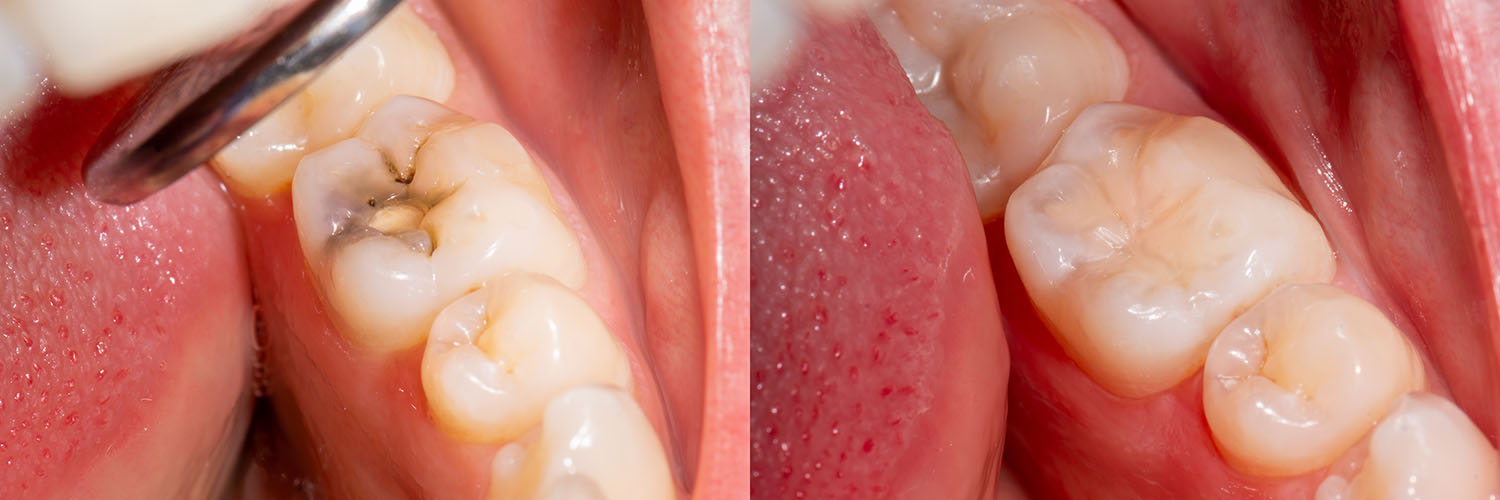
Knowing the steps involved can make treatment feel more predictable and less stressful. After a clinical exam and any necessary X-rays, we will review findings and outline the recommended approach. When you’re ready, we prepare the tooth to remove decay and create a surface suitable for the chosen material.
Most fillings are placed under local anesthesia so you remain comfortable. The decayed tissue is removed with a handpiece, laser, or air abrasion, depending on the situation. The remaining cavity is then shaped, disinfected, and conditioned to accept the restorative material.
Placement techniques differ by material. Direct restorations like composites and glass ionomers are applied and finished in a single visit. Indirect restorations, such as ceramic inlays, require impressions or digital scans and a second visit for cementation. We take care to verify your bite and polish the restoration for a smooth, natural result.
For patients with dental anxiety, our team will discuss comfort options, including dental sedation, and tailor the experience to your needs so treatment is as calm and efficient as possible.
After treatment, a few simple habits help protect your restoration and the surrounding tooth. Maintain a consistent routine of brushing twice daily with fluoride toothpaste and flossing once daily to reduce the risk of recurrent decay at the margins of the filling.
You may notice temporary sensitivity to hot, cold, or chewing after a filling. This is common and typically resolves within days to a few weeks as the tooth heals. If sensitivity worsens or pain persists, contact us so we can evaluate the restoration and supporting tooth structure.
Protecting fillings from excessive forces is important. Avoid chewing very hard objects or using teeth as tools, and discuss a custom night guard if you grind or clench. Regular dental visits allow us to monitor restorations and make timely repairs before small problems become large ones.
Protect numb tissues: Wait until anesthesia wears off before eating to avoid accidental bites to lips, tongue, or cheeks.
Watch for bite changes: If your bite feels uneven after the anesthetic wears off, a minor adjustment is usually all that’s needed to restore comfort.
Expect brief sensitivity: Mild sensitivity after a filling is normal; persistent or severe pain should be reported so we can re-evaluate.
Keep restorations clean: With good hygiene and routine care, most fillings remain serviceable for many years. When necessary, we can replace or upgrade restorations to protect the tooth.
We encourage open communication — if you have questions after a procedure, reach out and we’ll walk you through what to expect and how to care for your smile.
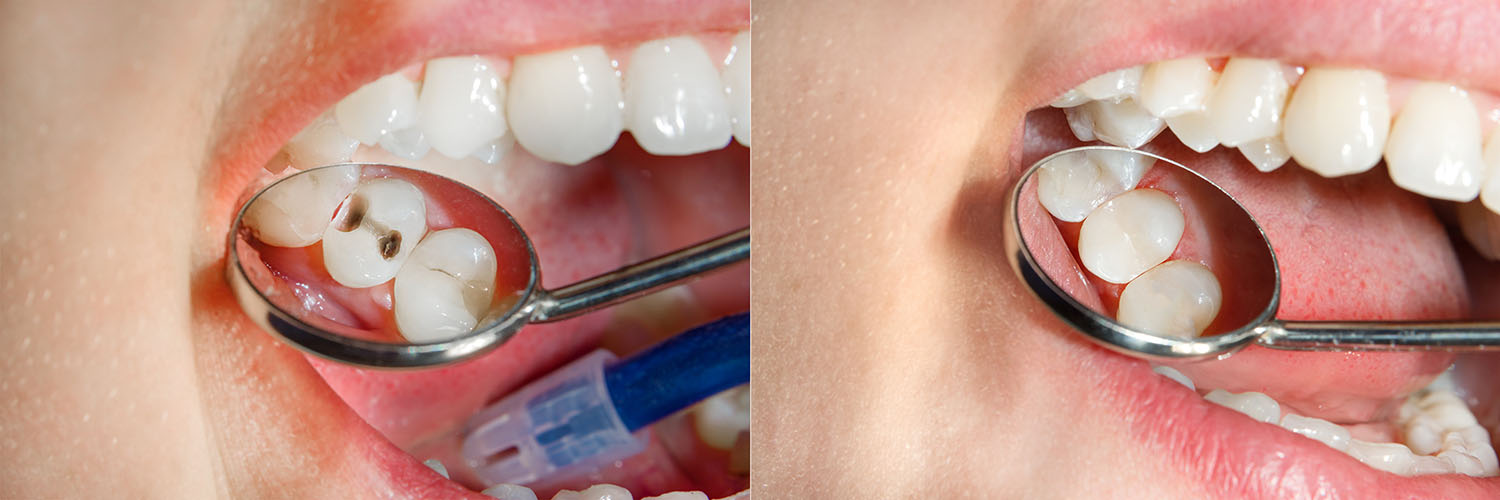
Some teeth are too compromised for a simple filling. When decay is extensive, when a large portion of tooth structure is missing, or when a crack extends into deeper layers, alternative treatments such as onlays, crowns, root canal therapy, or implant-supported restorations may be recommended.
Decisions about advanced restorative care focus on preserving function and preventing future complications. In many cases, stepping up to a more comprehensive restoration protects the tooth from fracture and can extend its useful life by many years.
Our team evaluates each tooth in the broader context of your bite, oral health, and goals. When a filling is no longer the best option, we will explain alternatives and the rationale so you can make a confident choice about your care.
In summary, dental fillings are a cornerstone of conservative restorative dentistry: they remove decay, restore strength and form, and help maintain oral health. If you have concerns about a cavity, an existing restoration, or sensitivity, contact our office for more information and guidance on the best next steps for your smile.
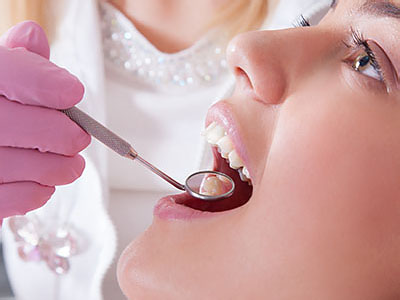

Dental fillings are restorative materials used to repair teeth that have been damaged by decay or minor trauma. They restore the tooth’s shape, protect the inner nerve and structure, and allow you to chew comfortably. Treating decay early with a filling helps preserve healthy tooth tissue and avoids more extensive procedures later.
A carefully placed filling seals the cavity from further bacterial invasion and re-establishes proper bite relationships. Modern techniques focus on conserving enamel and dentin while creating a durable bond between the restoration and the tooth. If a tooth is severely weakened, your dentist will explain when a filling is appropriate and when a more protective restoration is recommended.
Several restorative materials are commonly used, each offering different balances of strength, wear resistance, and appearance. Tooth-colored composite resins blend with enamel and bond to tooth structure for conservative repairs, while amalgam and metal alloys are valued for durability in high‑stress areas. Glass ionomer materials release fluoride and are useful for certain small or pediatric restorations, and ceramic inlays or onlays provide excellent aesthetics and wear resistance for larger repairs.
Material selection depends on the location of the cavity, the amount of remaining tooth structure, and the patient’s priorities for appearance and longevity. Your clinician will review the benefits and limitations of each option and recommend the one that best supports the tooth biologically and functionally. Decisions are made to preserve long‑term function and reduce the risk of future failure.
A filling visit usually begins with a clinical exam and any necessary X‑rays or digital scans to assess the extent of decay. Once the area is anesthetized for comfort, the dentist removes the decayed tissue and prepares the cavity to accept the chosen material, using handpieces, air abrasion or lasers as clinically indicated. The preparation is disinfected and conditioned so that direct materials can bond effectively or so that an indirect restoration can be fitted later.
Direct restorations like composites or glass ionomers are placed, shaped and cured in a single visit and then polished to match adjacent teeth. Indirect options such as ceramic inlays require a scan or impression and a second appointment for cementation once the restoration is fabricated. Throughout the process, care is taken to verify your bite and achieve a smooth, comfortable finish.
Mild sensitivity to hot, cold or chewing is common after a new filling and typically resolves within a few days to a few weeks as the tooth adjusts. This sensitivity often reflects irritation of the tooth’s nerve from decay removal and the restorative process, and it usually diminishes on its own. Over‑the‑counter analgesics and gentle oral care can help manage temporary discomfort.
You should contact the office if sensitivity worsens, if you experience persistent sharp pain, or if swelling or fever occurs, as these signs can indicate a deeper problem or the need for an adjustment. A bite that feels uneven after anesthesia wears off is usually corrected with a simple occlusal adjustment. Timely evaluation protects the tooth and prevents minor issues from becoming more serious.
Good oral hygiene is the foundation of long‑lasting restorations: brush twice daily with fluoride toothpaste, floss daily, and attend regular dental checkups so your dentist can monitor margins and function. Avoid using teeth as tools and refrain from chewing very hard objects that can stress restorations. If you grind or clench, discuss a custom night guard to reduce wear and fracture risk.
Regular professional cleanings and exams allow the dental team to catch early wear or marginal breakdown and perform timely repairs or replacements when needed. If you notice changes such as new staining at the edges of a filling, a rough surface, or recurrent sensitivity, schedule an evaluation to address the issue before it progresses. Proactive maintenance preserves both the filling and the underlying tooth.
Fillings are ideal for small to moderate decay, but they may not be appropriate when a large portion of the tooth is missing, when a crack extends into deeper layers, or when the tooth has lost structural integrity. In those cases, onlays, crowns, root canal therapy, or even replacement options such as implant‑supported restorations may provide better long‑term protection. The goal shifts from simply filling a cavity to restoring function and preventing fracture or recurrent disease.
Your dentist evaluates the tooth within the context of your bite, overall oral health and treatment goals before recommending an alternative. Imaging and clinical testing help determine whether stepping up to a more comprehensive restoration will extend the tooth’s useful life. Clear explanations of the options help you make a confident, informed choice.
Composite resins have advanced considerably and offer excellent strength for many situations, especially in visible areas and for conservative preparations that preserve tooth structure. Because composites bond to the tooth, they often require less removal of healthy tissue and can restore natural anatomy effectively. In very large back‑tooth restorations or when maximum occlusal strength is critical, metal alloys or indirect ceramic restorations may provide superior wear resistance.
The choice between composite and metal depends on the size and location of the defect, aesthetic priorities, and functional demands. Your dentist will explain the tradeoffs in durability, appearance and conservation of tooth structure so you can choose the most appropriate material for your needs. Advances in adhesive techniques have narrowed many historical differences between material types.
Ceramic inlays and onlays are indirect restorations fabricated outside the mouth and bonded into place to repair larger cavities that do not require a full crown. They provide excellent aesthetics and long‑term wear resistance while conserving more natural tooth structure than a full coverage crown. Because they are precision‑made, ceramics resist staining and can restore occlusion and anatomy with high accuracy.
These restorations are often recommended when a tooth has moderate structural loss but still retains enough healthy material to avoid a crown. The process typically involves digital scanning, fabrication in a dental laboratory or milling center, and a final cementation appointment. When executed properly, inlays and onlays combine strength, longevity and a near‑natural appearance.
Children commonly receive restorations tailored to their needs, and material choice depends on tooth location, behavior, and the expected lifespan of the primary tooth. Glass ionomer materials are frequently used for pediatric patients because they bond chemically, release fluoride and are forgiving in moist environments. Composite resins are also used when aesthetics and a durable bond are priorities for primary or early permanent teeth.
Pediatric treatment emphasizes conserving tooth structure and preventing recurrent decay, and clinicians often select materials and techniques that minimize follow‑up interventions. Behavior management, brief appointments and, when necessary, comfort measures like sedation can make treatment more successful for young patients. Your dentist will recommend the best approach for your child based on clinical needs and developmental considerations.
For patients who experience dental anxiety, the team can discuss comfort measures such as local anesthesia techniques, nitrous oxide or oral sedatives to make procedures calmer and more efficient. Clear communication, step‑by‑step explanation and a gentle approach help many patients feel more at ease during restorative visits. For urgent situations, same‑day or expedited care may be offered to address pain, broken restorations or rapidly progressing decay.
If you are in Cincinnati and need prompt attention, Clifton Modern Dentistry can evaluate the tooth, provide temporary stabilization if needed, and outline a definitive treatment plan. In emergencies where pain or swelling is present, timely assessment prevents complications and preserves tooth structure. Open communication about fears and preferences allows the dental team to tailor a comfortable, effective experience.

Have Questions or Need an Appointment?
Getting in touch with Clifton Modern Dentistry is simple! Call us or use our online form, and our friendly team will help you schedule visits, answer your questions, and guide you toward the best care for your smile.
Don’t wait—start your journey to a healthier, brighter smile today!