

At Clifton Modern Dentistry, we prioritize patient comfort and clear communication from the first consultation. Before any extraction, your provider will review your medical and dental history, discuss your symptoms and goals, and outline the steps involved in care so you know what to expect. This conversation helps us identify any special precautions — for example, medication interactions or medical conditions that could affect treatment — and ensures your safety throughout the procedure.
We encourage patients to share a complete list of current medications and any recent changes in health. In some cases, your dentist may request a brief medical clearance from your physician or recommend a short course of antibiotics prior to surgery. Following preoperative instructions closely helps reduce complications and supports a smoother recovery.
Comfort measures are discussed ahead of time too. Local anesthesia is standard, and for patients who experience dental anxiety or have more complex needs, we can explain available sedation options so you can choose the level of comfort that’s right for you. Our goal is to remove uncertainty and create an environment where you feel informed and at ease.
Primary teeth that don’t fall out on schedule
Sometimes a baby tooth remains firmly in place when the permanent tooth underneath is ready to emerge. If the primary tooth’s roots fail to resorb or it becomes fused to the bone, it can block or misdirect the incoming adult tooth. Removing an over-retained baby tooth can protect normal eruption and avoid crowded or misaligned development.
Permanently damaged teeth beyond repair
When decay progresses deep into a tooth and there isn’t enough healthy structure remaining, restorative options like fillings or crowns are no longer viable. A severely compromised tooth can become a source of infection or pain. In these situations, extraction removes the problem and prevents further damage to surrounding teeth and tissues.
Teeth fractured below the gumline
A serious crack or break that involves the root or extends under the gumline may make saving the tooth impractical. If reconstructive procedures cannot restore function and predictably preserve the tooth, extraction is often recommended to prevent ongoing symptoms and simplify future restorative planning.
Advanced periodontal disease affecting support structures
When gum disease has significantly damaged the ligaments and bone that hold a tooth in place, the tooth may loosen and become painful or nonfunctional. Removing a hopeless tooth can improve oral health by eliminating a source of infection and enabling more effective periodontal treatment for the remaining dentition.
Impacted or problematic wisdom teeth
Third molars often lack sufficient space to erupt properly. Impacted or poorly positioned wisdom teeth can cause pain, infection, damage to adjacent teeth, or bite problems. Early removal is commonly advised for teeth that are likely to cause trouble, while others may be monitored until a clear need for extraction arises.
Extractions as part of orthodontic planning
Some smiles require selective tooth removal to create the space needed for predictable orthodontic movement and a stable, functional bite. When an orthodontist and dentist determine that space is the limiting factor, removing one or more teeth can produce a more harmonious long-term result.

Every extraction begins with a careful clinical exam and the use of digital radiographs when indicated to visualize tooth roots and surrounding anatomy. These images help the dentist determine whether a tooth can be removed simply or if a surgical approach will be required. The treatment plan, expected steps, and any follow-up needs will be reviewed with you so you know what to expect before the procedure starts.
For most extractions, local anesthesia is used to numb the area completely. If you have concerns about anxiety or want to be more relaxed during your visit, ask about our sedation options — we can explain the differences and make a recommendation based on the complexity of the extraction and your comfort level. Patients are always monitored closely so procedures proceed safely and with as little discomfort as possible.
We also discuss replacement options for teeth that are removed. If a tooth is extracted, planning ahead for a prosthetic or implant restoration preserves function and prevents shifting of adjacent teeth. Your dentist will outline timing and choices for replacement based on your overall dental health and personal preferences.
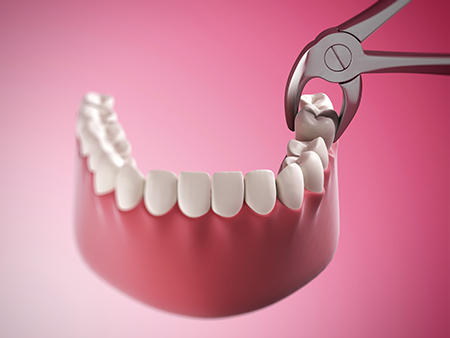
When a tooth is visible in the mouth and the roots have a typical shape, it may be removed with forceps following administration of local anesthetic. The dentist will gently loosen the supporting periodontal fibers and lift the tooth out with controlled motion. This straightforward technique is common for adult teeth that aren’t broken down below the gumline and for many baby teeth.
We make every effort to minimize trauma to the surrounding tissues and to keep the procedure brief. Post-extraction instructions will be given immediately so you understand how to care for the socket during the first 24–72 hours and how to reduce discomfort as the local anesthetic wears off.
Surgical extractions are performed when a tooth is fractured, impacted, ankylosed, or otherwise inaccessible by non-surgical means. The dentist—or, when appropriate, an oral and maxillofacial surgeon—creates a small incision, may remove a bit of bone, and divides the tooth into sections for safer removal. Local anesthesia and, when requested or necessary, sedation keep patients comfortable during these more involved procedures.
Because surgical extractions can be more extensive, you’ll receive detailed pre- and post-operative guidance. This includes instructions about medications, activity limitations, and signs to watch for that would warrant follow-up care. Our objective is to manage pain, support healing, and return you to normal function as efficiently as possible.
Healing after an extraction follows a predictable pattern, but individual experiences vary. We provide clear, personalized aftercare instructions so you know how to manage bleeding, swelling, and discomfort. Most patients can expect the initial phase of healing to progress over several days, with complete soft-tissue closure taking a few weeks depending on the complexity of the extraction.
It’s important to protect the blood clot that forms in the extraction socket; this clot is essential for proper healing. Avoid behaviors that can dislodge it, such as vigorous rinsing, spitting, or using a straw. Gentle oral hygiene and short, controlled saltwater rinses after the first 24 hours help keep the area clean without disturbing the healing tissues.
If your dentist prescribes antibiotics or pain medication, take them exactly as directed. Over-the-counter pain relievers are often sufficient for mild discomfort, while stronger medications may be recommended for more invasive procedures. If you notice persistent bleeding, increasing pain, or unusual symptoms, contact our office promptly so we can assess your recovery and intervene if needed.
Use gauze as instructed
Bite gently on the provided gauze to maintain pressure and control initial bleeding. Change the gauze only when directed and replace it without excessive force to allow the clot to form.
Protect numb tissues
Until the local anesthetic wears off, take care not to chew your lips, cheeks, or tongue; accidental bites can cause injury.
Follow medication directions
If medications are prescribed, complete the antibiotic course and take pain medicines as advised. Starting a pain reliever before the anesthetic fully dissipates can help reduce peak discomfort.
Avoid disturbing the clot
Do not rinse vigorously, spit forcefully, or use suction actions that could displace the clot. These precautions are most important in the first 24–48 hours.
Manage swelling with ice
Apply an ice pack to the cheek in short intervals during the first day to help limit swelling and discomfort.
Refrain from tobacco
Smoking and tobacco use impair healing and increase the risk of complications; avoid these products for at least the first week after extraction.
Choose soft foods
Stick to cool or room-temperature soft foods and plenty of fluids for the first few days. Avoid hot, spicy, or carbonated beverages until you feel comfortable.
Maintain gentle oral hygiene
Continue brushing other teeth carefully and use a mild saline rinse to freshen the mouth once cleared by your dentist. Avoid aggressive brushing near the extraction site until it has sufficiently healed.
Attend follow-up appointments
If sutures were placed or your case requires monitoring, keep your scheduled follow-up so we can confirm proper healing and advise on the timing for any restorative work.
If you experience ongoing bleeding, increasing pain, fever, or an unpleasant taste or odor that doesn’t improve, contact our office so we can assess and provide prompt guidance.
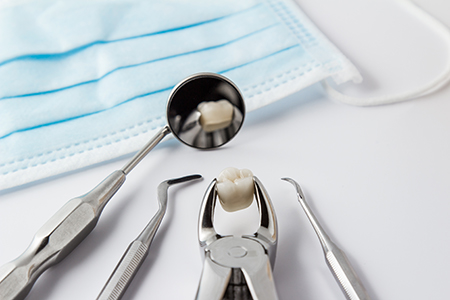
Choosing a dental provider for an extraction is about more than technical skill; it’s also about thoughtful planning and compassionate support throughout treatment and recovery. At Clifton Modern Dentistry, our team focuses on delivering steady, precise care while keeping patients informed about every decision. We’ll review replacement options when appropriate — including removable and fixed solutions as well as implant-supported restorations — and help you weigh the best path forward for your long-term oral health.
Whether your extraction is straightforward or requires a surgical approach, you can expect careful attention to detail and a treatment plan tailored to your needs. We coordinate with specialists when necessary and strive to make each step as comfortable and predictable as possible, so your mouth heals well and your future restorative options remain strong.
To learn more about tooth extractions or to discuss your individual situation, please contact us for additional information and to schedule a consultation.


Extraction is recommended when a tooth cannot be preserved by restorative or periodontal treatment and poses a risk to overall oral health. Common reasons include extensive decay that destroys supporting structure, advanced gum disease that compromises the tooth's support, severe root fracture, or an impacted wisdom tooth that threatens neighboring teeth. Extractions are also performed to remove primary teeth that obstruct normal eruption of permanent teeth or as part of orthodontic planning to create space for predictable tooth movement.
Before recommending removal, the dentist evaluates radiographs, clinical findings, and your medical history to weigh alternatives such as root canal therapy, crown restoration, or periodontal treatment. When extraction is the most appropriate option, the goal is to eliminate infection or pain while preserving remaining teeth and planning for future restoration if needed. Your dentist will explain the rationale so you can make an informed decision about next steps.
Preparation begins with a complete review of your medical and dental history, including a list of medications, allergies, and any recent changes in health. Some patients may need medical clearance from their physician or a specific antibiotic protocol because of heart conditions or immune-system considerations, so provide accurate health information during scheduling. Follow any preoperative instructions your provider gives regarding fasting, medication adjustments, or arrival time to ensure a safe procedure.
Arrange transportation and post-procedure support if you plan to use sedation beyond local anesthesia, as you should not drive afterward. Wear comfortable clothing and avoid heavy meals or alcohol before the appointment if sedation is planned. Bringing a list of questions and notifying the team about dental anxiety or concerns helps the practice tailor comfort measures to your needs.
Local anesthesia is the standard approach for most extractions and numbs the treatment area to prevent pain while you remain awake and responsive. For patients with anxiety or for more complex surgical extractions, additional options such as nitrous oxide (laughing gas), oral sedatives, or intravenous (IV) sedation can be offered to reduce discomfort and promote relaxation. The choice of sedation depends on the complexity of the extraction, your medical history, and the level of sedation you and your provider agree is appropriate.
All sedation and anesthesia options include monitoring to ensure safety throughout the procedure, and the dental team reviews risks, benefits, and recovery expectations beforehand. If deeper levels of sedation are considered, the practice will discuss fasting guidelines and post-procedure transportation to make sure you are cared for safely. Communicate any prior reactions to sedatives or anesthesia so the team can plan appropriately.
A simple extraction is performed on a tooth that is visible in the mouth and can typically be removed with forceps after the area is numbed with local anesthesia. The provider gently loosens the tooth from the socket and lifts it out while taking care to minimize trauma to surrounding tissues. Simple extractions are common for teeth that are intact above the gumline and have uncomplicated root anatomy.
Surgical extractions are necessary when a tooth is broken at or below the gumline, impacted, ankylosed, or otherwise inaccessible by forceps alone. The dentist or oral surgeon may make a small incision, remove a modest amount of bone, and section the tooth into pieces to allow safe removal. Because these procedures are more involved, the care team provides detailed pre- and post-operative instructions to support healing and reduce the risk of complications.
On the day of the procedure, the team will review your treatment plan, confirm medical details, and numb the area with local anesthesia to block pain. For a simple extraction, you may feel pressure and movement but little or no pain; surgical extractions can involve additional steps such as incisions and bone removal, so sedation or enhanced comfort measures are sometimes recommended. The provider works methodically to remove the tooth while preserving surrounding bone and soft tissues for an optimal healing environment.
After the tooth is removed, the socket is inspected and, if necessary, irrigated and sutured to promote healing. You will receive specific post-operative instructions including how to manage bleeding, swelling, and pain, and the team will explain signs that should prompt follow-up. The office will schedule any necessary post-operative visits and discuss timing for tooth replacement when appropriate.
Initial recovery typically spans 24 to 72 hours, during which bleeding and swelling decline and the most acute discomfort subsides with proper care. Most patients can return to light activities within a day or two, but strenuous exercise and heavy lifting should be avoided for several days to reduce the risk of bleeding or delayed healing. The socket develops a protective blood clot in the first days, and maintaining that clot is critical to preventing complications.
Soft-tissue healing continues over several weeks, and complete maturation of the extraction site can take a few months depending on the complexity of the case and your overall health. If sutures were placed, the dentist will advise when they will be removed or if they are resorbable. Attend follow-up appointments as directed so the provider can confirm appropriate healing and plan any restorative steps.
While most extractions heal without issue, complications can occur and should be addressed promptly to prevent worsening. Common concerns include prolonged bleeding, signs of infection (increasing pain, swelling, fever, or discharge), and dry socket, which presents as intense pain a few days after extraction when the blood clot is dislodged or fails to form. If you experience any of these symptoms, contact the dental office so the team can assess and provide appropriate care.
Treatment for complications may include controlling bleeding with additional pressure and gauze, prescribing antibiotics when infection is suspected, or placing medicated dressings and recommending analgesics for dry socket. The dental team will advise specific measures tailored to the issue and arrange follow-up care or a specialist referral if indicated. Early communication about unexpected symptoms helps ensure timely management and better outcomes.
Protecting the blood clot in the socket is the single most important step in home care, so avoid actions that create suction such as using a straw, spitting forcefully, or smoking for at least a week. Follow the practice's directions for gauze use to control bleeding and begin gentle saltwater rinses after the first 24 hours to keep the area clean without disturbing healing tissues. Use prescribed or recommended pain medication as directed and apply cold packs intermittently during the first 24 hours to reduce swelling.
Stick to soft, nonabrasive foods for several days and avoid chewing directly over the extraction site until healing progresses. Maintain regular oral hygiene while taking care to brush and floss other teeth carefully; the dentist will advise when normal brushing can resume at the extraction site. If you have concerns about persistent pain, bleeding, or unusual symptoms, contact the office for guidance rather than waiting for a scheduled visit.
Replacing a missing tooth is important for preserving chewing function, maintaining proper tooth alignment, and supporting long-term oral health. Options include implant-supported crowns, fixed bridges, or removable partial dentures, and the appropriate choice depends on your overall dental condition, bone availability, and long-term goals. Your dentist will discuss the advantages and timing of each restorative path and explain factors such as implant candidacy and the need for bone preservation.
Timing for replacement varies: some cases are candidates for immediate implant placement at the time of extraction, while others require a healing period before restorative work to ensure optimal bone and soft-tissue health. The dentist will coordinate a plan that balances healing with restorative needs and will explain the anticipated timeline and any preparatory treatments, such as bone grafting, that may be necessary for a successful outcome.
Clifton Modern Dentistry combines clinical assessment, digital imaging, and individualized treatment planning to ensure extractions are performed safely and predictably. The team discusses alternatives, outlines anesthesia and sedation options when appropriate, and coordinates with specialists for complex surgical cases or when advanced reconstruction is planned. Clear pre- and post-operative instructions are provided to support healing and minimize complications.
The practice emphasizes patient education and continuity of care so that extractions integrate with long-term restorative and periodontal plans. Whether your case is straightforward or requires a surgical approach, the team prioritizes precise technique, appropriate monitoring, and follow-up to help preserve oral health and restore function when needed. Patients are encouraged to ask questions and participate in decision-making throughout their treatment journey.

Have Questions or Need an Appointment?
Getting in touch with Clifton Modern Dentistry is simple! Call us or use our online form, and our friendly team will help you schedule visits, answer your questions, and guide you toward the best care for your smile.
Don’t wait—start your journey to a healthier, brighter smile today!