
At Clifton Modern Dentistry, we take a forward-thinking approach to oral health: preventing problems is far easier than fixing them. Routine oral exams allow our team to track changes, catch early signs of disease, and tailor care to each patient’s needs. During an exam we combine careful clinical inspection with targeted imaging and patient education so that you leave with a clear understanding of your oral health and any recommended next steps.
Your initial appointment is focused on building a complete picture of your mouth and overall health. We begin with a review of your medical and dental history so we can understand any factors that influence dental care—medications, prior procedures, or conditions that may affect treatment choices. Telling us about current symptoms, sensitivities, or concerns helps shape the rest of the visit.
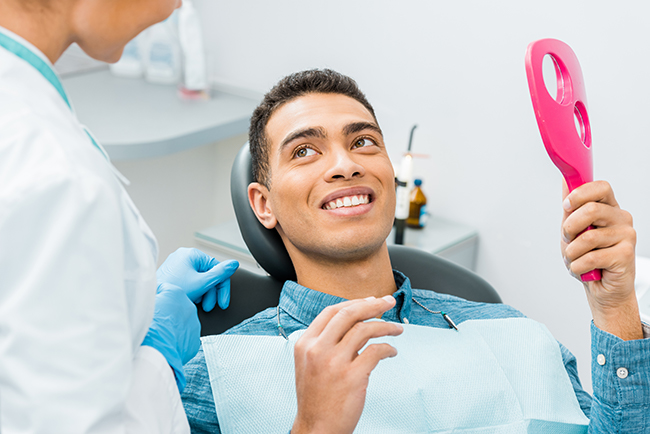
The clinical portion includes a close inspection of your teeth, gums, soft tissues, tongue, and the surrounding areas of the head and neck. We assess how your teeth come together (your bite), look for wear patterns from clenching or grinding, and evaluate the function of your temporomandibular joint (TMJ). When indicated, we recommend diagnostic imaging to reveal issues that aren’t visible on the surface.
Once the exam and any needed x-rays are complete, we’ll summarize our findings and discuss treatment options, if any. Our goal is to present clear, practical choices and prioritize interventions that prevent disease progression. You’ll also receive personalized home-care tips so you can actively participate in maintaining long-term oral health.

The mouth is more than a collection of teeth—it’s an entry point to the body and a mirror for systemic health. During an oral exam we screen for conditions that originate in the mouth as well as signs of diseases that can manifest orally. Detecting inflammation, unusual lesions, or persistent infections early can prompt timely medical follow-up and reduce the risk of broader health complications.
Researchers continue to document connections between oral disease and systemic conditions. Chronic inflammation from periodontal disease, for example, is associated with increased risk factors for cardiovascular disease and may complicate diabetes management. Noticing patterns such as persistent dry mouth, recurrent ulcers, or unexplained gum changes can provide important clues to underlying health issues.
Because the interactions between oral and systemic health are complex, a thorough exam includes a careful history and documentation of any oral signs that warrant coordination with your medical providers. This collaborative approach helps ensure you receive comprehensive care that considers both dental needs and general well-being.
Digestive concerns
Respiratory conditions
Cardiovascular disease risk factors
Stroke-related complications
Diabetes and blood-glucose management
Neurologic conditions with oral symptoms

Routine exams paired with professional cleanings are the cornerstone of long-term oral health. Exams allow us to identify early decay, gum disease, and other developing issues before they require more complex treatment. Professional cleanings remove hardened deposits and biofilm that brushing and flossing alone may miss, lowering your risk of cavities and periodontal disease.
We typically recommend periodic visits based on individual risk: many patients benefit from twice-yearly care, while those with specific concerns may need more frequent monitoring. During these visits we also review and refine your home care routine, demonstrating techniques that improve plaque control and reduce disease risk.
For children and teenagers, regular checkups are especially important for monitoring growth and development. We watch for signs that orthodontic evaluation may be needed and provide age-appropriate guidance so young patients build healthy habits that last into adulthood.
A visual exam is essential, but x-rays (radiographs) give us the deeper context that the naked eye can’t provide. Radiographs show the hidden portions of teeth, the underlying bone, and relationships between teeth and supporting structures. They’re an indispensable tool for diagnosing cavities between teeth, assessing bone health, evaluating root structures, and planning restorative or surgical care.
Modern digital radiography produces high-quality images quickly with very low radiation exposure. Images are available immediately and can be enlarged or adjusted for clarity, which helps our team explain findings and develop precise treatment plans. Because digital images are stored in your chart, they also make it easier to track changes over time.
When we recommend imaging, it’s always to answer a specific clinical question—whether that’s confirming the extent of decay, checking bone levels, or preparing for more advanced procedures. Radiographs guide conservative, targeted care rather than routine imaging without purpose.
Different imaging types serve distinct roles, and we select the appropriate modality based on your needs. Small, focused films examine a single tooth and its root; bitewing images are excellent for spotting decay between teeth; full-mouth series provide a comprehensive baseline for new patients; and panoramic films give a broad overview of the jaws, teeth, and surrounding anatomy.
Periapical x-ray - Captures the entire tooth from crown to root and is useful for detecting root problems, infections, and bone changes near a specific tooth.
Bitewing x-ray - Focuses on the crowns of the back teeth to detect early decay between teeth and to evaluate bone levels in the posterior regions.
Full mouth series - A collection of bitewing and periapical views that together document the condition of all teeth and supporting structures.
Panoramic film (panorex) - Provides a single, broad view of both jaws, helpful for assessing tooth development, impacted teeth, and general jaw health.
Cephalometric film - A profile view of the head used primarily in orthodontic planning to evaluate skeletal relationships.
For three-dimensional needs—such as advanced treatment planning or precise implant placement—cone-beam computed tomography (CBCT) offers detailed 3D imaging of the jaws and surrounding structures. We use this technology selectively when the added information will materially improve diagnosis or surgical planning.
In short, oral exams are more than a quick check—they’re a thorough assessment that combines visual inspection, imaging, and personalized guidance to protect your smile and overall health. If you have questions about what an exam involves or would like more information about scheduling, please contact us for details and assistance.
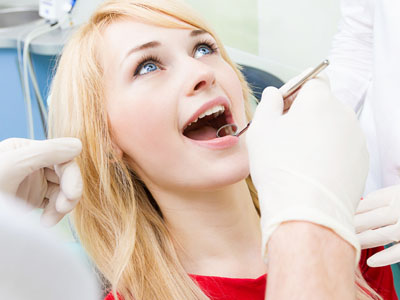

At Clifton Modern Dentistry, a routine oral exam begins with a review of your medical and dental history and a conversation about any current symptoms or concerns. The clinician then performs a thorough visual and tactile inspection of the teeth, gums, tongue, soft tissues, and surrounding head and neck areas. Bite relationships and signs of wear from clenching or grinding are evaluated, and the temporomandibular joint is assessed for pain or limited motion.
When indicated, the exam includes targeted imaging such as bitewings, periapical films, or panoramic views to reveal problems beneath the surface. After the assessment, the clinician explains findings, recommends any necessary follow-up, and provides personalized home-care guidance to help prevent disease progression. The focus is on clear communication so patients leave with an understandable plan for maintaining oral health.
Before your first oral exam, gather a list of current medications, recent medical diagnoses, and any dental records or x-rays you have from previous providers. Sharing symptoms like sensitivity, pain, or changes in how your teeth fit together helps the clinician focus the exam where it is most needed. It also helps to bring a list of questions so you can address concerns during the visit.
On the day of the appointment, arrive with clean teeth and be prepared to discuss habits such as tobacco use, oral piercings, or nighttime grinding. If you have a medical condition that may affect treatment—such as diabetes or a bleeding disorder—let the team know so care can be coordinated safely. This preparation allows the office to create a tailored, efficient exam experience.
X-rays complement the visual exam by showing the parts of teeth and supporting bone that are hidden from view, including cavities between teeth, root structure, and bone levels. Modern digital radiography produces high-quality images quickly with very low radiation exposure and immediate availability for review. Clinicians select radiographs based on specific clinical questions rather than using them indiscriminately.
For complex planning or to evaluate three-dimensional relationships, the practice may recommend a cone-beam computed tomography (CBCT) scan when that information will change treatment decisions. Digital images are stored in the patient chart, which makes it easier to compare changes over time and explain findings to patients. Imaging is always used to support conservative, targeted care.
Oral cancer screening is an essential part of a thorough exam and includes visual inspection and palpation of the mouth, lips, tongue, floor of mouth, and neck. The clinician looks for persistent ulcers, white or red patches, unexplained lumps, and any changes that do not resolve within two weeks. When a suspicious area is identified, the team documents its appearance and size and discusses next steps.
Next steps may include referral for a biopsy or to an oral medicine specialist for definitive diagnosis, and the practice emphasizes prompt evaluation for high-risk patients such as tobacco or heavy alcohol users. Early detection significantly improves treatment options and outcomes, which is why regular screening is important even for patients without symptoms. Patients are encouraged to report any new oral changes between visits.
The mouth often reflects overall health, and findings in the oral cavity can provide clues about systemic conditions such as diabetes, cardiovascular disease, or autoimmune disorders. Chronic inflammation from untreated gum disease, for example, is associated with increased systemic inflammation that can affect general health. During the exam, clinicians document oral signs that may warrant communication with your medical providers.
When oral signs suggest a broader health issue—like persistent dry mouth, recurrent ulcers, or unusual bleeding—the team may recommend medical follow-up to identify underlying causes and coordinate care. This collaborative approach helps ensure treatment plans consider both dental needs and general well-being. Patients benefit when dental and medical professionals share relevant information.
For many patients, exams and professional cleanings every six months provide an effective balance between prevention and early detection, but recommendations are individualized based on risk. Patients with active periodontal disease, a history of decay, dry mouth, or certain systemic conditions may need more frequent monitoring to control disease progression. The clinician will explain a recall schedule tailored to your oral-health profile.
Regular professional cleanings remove hardened deposits and biofilm that daily brushing and flossing may miss, lowering the risk of cavities and gum disease. During each visit the team can also review and refine home-care techniques to improve plaque control. Keeping scheduled appointments is one of the most reliable ways to preserve long-term oral health.
Oral exams for children and teenagers focus on growth, development, and habit formation as much as on decay prevention. Clinicians monitor eruption patterns, jaw development, and early signs that orthodontic evaluation might be beneficial, and they provide anticipatory guidance for parents about teething, thumb-sucking, and sports safety. Preventive treatments such as sealants and topical fluoride may be recommended when appropriate.
Establishing a dental home early helps young patients build comfortable, health-promoting routines and makes it easier to catch developmental concerns before they become complex problems. Exams also include education about diet, oral hygiene, and injury prevention to support healthy habits as children mature. Follow-up intervals are set based on each child’s risk and developmental needs.
Modern diagnostic tools enhance the accuracy and comfort of oral exams by making findings more visible and easier to explain. The practice uses digital radiography, intraoral cameras, and an optical scanner such as the TRIOS system to capture precise images of the teeth and soft tissues during the visit. These technologies reduce discomfort, speed up appointments, and improve patient understanding.
When three-dimensional detail is required for surgical or implant planning, targeted CBCT imaging provides high-resolution views of the jaws and surrounding anatomy. Digital records are stored securely and allow clinicians to compare images over time to track changes and measure treatment response. Technology supports conservative decision-making and clearer communication with patients.
If the exam reveals a concern—such as a developing cavity, gum inflammation, or a soft-tissue lesion—the clinician will explain the likely causes and the range of conservative options for management. Treatment prioritizes minimally invasive approaches whenever clinically appropriate, and the team outlines the risks and benefits of recommended interventions. Patients receive clear instructions for home care and signs to watch for while awaiting treatment.
When specialized care is needed, the practice coordinates referrals to periodontists, oral surgeons, or other specialists and provides the necessary documentation and images to support continuity of care. Follow-up appointments are scheduled to monitor healing or treatment progress and to adjust the plan as needed. Open communication ensures patients understand next steps and feel involved in their care decisions.
Clifton Modern Dentistry emphasizes personalized, preventive care that combines gentle clinical techniques with advanced diagnostic tools to protect smiles over time. Dr. Arsany Gergis and the team focus on clear explanations, tailored recall plans, and hands-on coaching to help patients adopt effective home-care habits. The practice also welcomes walk-ins and urgent needs so patients can access timely care when concerns arise.
By scheduling regular exams and following recommended monitoring, patients reduce the likelihood of complex interventions and preserve oral function and comfort. If you have questions about what to expect at an exam or would like to arrange an appointment, our team can help you prepare and answer logistical questions. Staying proactive with exams is one of the best investments in long-term oral health.

Have Questions or Need an Appointment?
Getting in touch with Clifton Modern Dentistry is simple! Call us or use our online form, and our friendly team will help you schedule visits, answer your questions, and guide you toward the best care for your smile.
Don’t wait—start your journey to a healthier, brighter smile today!