

Nearly half of American adults over the age of 30 show signs of periodontal (gum) disease, according to the Centers for Disease Control and Prevention. Left unchecked, these bacterial-driven infections are the leading cause of adult tooth loss, yet with timely care and consistent home routines they are largely preventable. At Clifton Modern Dentistry, our approach is to combine early detection, evidence-based treatment, and practical home-care guidance so patients can protect both their smiles and overall health.
Gum disease starts quietly. Bacteria in the mouth form a sticky film called plaque that clings to teeth at and below the gumline. If plaque is not removed regularly through brushing and flossing, it hardens into calculus (tartar) and fuels inflammation in the tissues that support the teeth. That inflammatory response, not the presence of bacteria alone, drives the destruction of soft tissue and bone over time.
Because early periodontal disease often produces mild or no pain, many people delay seeking care until visible or functional problems appear. By the time symptoms are apparent, structural damage may already be underway. That’s why routine dental checkups and professional cleanings are critical: they let clinicians detect changes in gum health before irreversible loss occurs.
Understanding this process empowers patients to act sooner. Effective periodontal care is a partnership between the dental team and the patient—professional treatment reduces bacterial burden and inflammation, while consistent home care preserves those gains and minimizes the risk of recurrence.
Common signs to watch for include:
Red, swollen, or tender gums
Bleeding during brushing or flossing
Visible gum recession or exposed tooth roots
Increased tooth sensitivity to hot or cold
Persistent bad breath or an unpleasant taste in the mouth
Teeth that feel loose or shifting
New gaps forming between teeth or changes in how dentures fit
Pus or discharge around teeth and gums
Discomfort when biting or chewing

Oral health is not isolated from systemic health. Research increasingly links severe periodontal inflammation with conditions such as cardiovascular disease, diabetes complications, and respiratory problems. While gum disease does not cause these conditions directly in every case, chronic oral inflammation can worsen existing systemic diseases and make them harder to manage.
Maintaining healthy gums therefore has benefits beyond conserving teeth: it helps reduce the overall inflammatory load on the body. For patients with chronic medical conditions, coordinated care between dental and medical providers can improve outcomes by addressing oral inflammation as part of a broader health strategy.
Our team emphasizes prevention and patient education. We use clinical exams, periodontal probing, and radiographs when needed to assess tissue and bone support, then recommend a tailored plan that balances conservative measures with advanced therapies when appropriate.
Gingivitis is the reversible, earliest stage of gum disease. It appears when plaque and bacterial toxins irritate the gingiva (gum tissue), causing redness, swelling, and bleeding. Because the underlying bone and connective tissue remain intact at this stage, gingivitis can usually be controlled with professional cleaning and improved daily oral hygiene.
Effective treatment for gingivitis focuses on removing irritants and lowering bacterial levels. A thorough dental cleaning removes plaque and calculus above and slightly below the gumline, and clinicians will review brushing and flossing techniques to help patients improve routine care at home. With commitment to these steps, tissue inflammation often resolves and the gums return to a healthy state.
Prompt attention to gingivitis is important because it prevents progression to periodontitis, where tissue damage becomes permanent. Regular dental visits create opportunities to catch early warning signs and reinforce preventive behaviors that protect long-term oral health.

Periodontitis develops when prolonged inflammation destroys the connective tissues and bone that anchor teeth. The result is the formation of deeper pockets between the tooth and gum, gum recession, and loss of bone support. As the disease progresses, affected teeth can become mobile and may eventually be lost if left untreated.
Treatment at this stage aims to arrest disease progression, reduce pocket depth, and preserve as much tooth support as possible. Interventions vary based on severity and patient factors but can include deeper cleaning beneath the gumline, localized antimicrobial therapies, and regenerative approaches to rebuild lost tissues.
Modern periodontal care combines surgical and non-surgical options, applied selectively to meet each patient’s needs. Advances in techniques and materials allow clinicians to focus on restoring function and improving the long-term prognosis for affected teeth.
No two cases of gum disease are identical. A comprehensive evaluation—covering medical history, oral hygiene habits, periodontal probing depths, and radiographic findings—guides a customized treatment plan. Our goal is to choose the least invasive, most effective steps first and to escalate care only when necessary to control inflammation and preserve oral structures.
For many patients, initial therapy includes scaling and root planing (deep cleaning) combined with improved home care and short-term re-evaluation. In certain situations, topical or systemic antimicrobial agents may be recommended as adjunctive therapy to reduce pathogen levels. For patients with risk factors such as smoking or poorly controlled diabetes, addressing those contributors is part of the overall plan.
Education and maintenance are equally important: once periodontal health is achieved, a tailored recall schedule for professional cleanings and monitoring helps prevent relapse. Our team works closely with each patient to develop a realistic, sustainable routine that supports long-term success.

When periodontal disease is identified early or exists at a mild to moderate level, conservative treatments are often effective. Scaling and root planing remove plaque and hardened calculus from beneath the gumline and smooth root surfaces so the tissues can reattach and inflammation subsides.
These procedures are performed with careful instrumentation and may be augmented with site-specific antimicrobial agents to further reduce bacterial levels. Improved daily oral care—proper brushing, interdental cleaning, and routine professional maintenance—supports the outcomes of these therapies.
In many cases, conservative management halts disease progression and restores a stable periodontal environment without the need for surgery. Follow-up evaluations determine if additional care is required.
When pocket depths are beyond the reach of non-surgical therapy or when significant tissue and bone loss have occurred, surgical procedures may be recommended to access and debride affected areas. The objectives are to reduce pocket depth, remove infected tissue, and create conditions that are easier to clean long-term.
Procedures such as flap surgery allow clinicians to visualize root surfaces and reshape damaged bone when needed. In appropriate cases, regenerative techniques—using bone grafts, membranes, or biologic agents—can help rebuild lost support and improve the prognosis for compromised teeth.
Adjunctive technologies, including certain laser therapies, can also play a role in select periodontal procedures by targeting diseased tissue and promoting healing. The choice of technique depends on the clinical situation and the goals of therapy.
Remove bacteria and calculus beneath the gums and from root surfaces
Stop or slow further bone loss and contour supporting structures when necessary
Reduce pocket depth to make daily cleaning more effective and long-term maintenance easier
Periodontal disease is manageable when detected early and treated with appropriate, individualized care. If you have concerns about bleeding gums, looseness, or persistent bad breath, please contact us for more information about how we can help protect and restore your gum health.
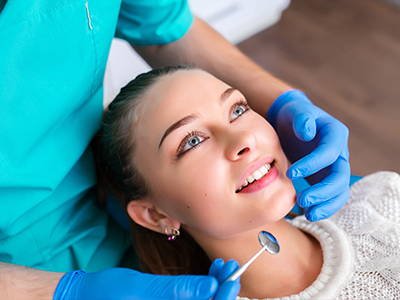

Periodontal disease is an infection of the gums and supporting structures around the teeth that begins when plaque and tartar provoke a chronic inflammatory response. Nearly half of adults over age 30 show signs of periodontal problems, and when left untreated these infections are a leading cause of adult tooth loss. Early detection and treatment help preserve tooth support and prevent progression to irreversible damage.
The inflammatory nature of gum disease also affects overall health because chronic oral inflammation can worsen certain systemic conditions. Because early stages are often painless, routine dental exams and professional cleanings are essential for identifying problems before they advance. Working with a dental team reduces bacterial burden at the chairside while teaching home-care habits that sustain long-term gum health.
Gum disease is primarily caused by the buildup of bacterial biofilm (plaque) on teeth and along the gumline, which hardens into calculus if not removed. Contributing factors include inadequate oral hygiene, tobacco use, medications that reduce saliva, and poorly controlled systemic diseases such as diabetes. These influences change the oral environment and make it easier for pathogenic bacteria to thrive and for inflammation to persist.
The body’s immune response to that bacterial challenge, along with genetic susceptibility and lifestyle factors, determines how quickly disease progresses. Conditions like dry mouth, hormonal shifts, and unmanaged stress can further increase risk by weakening natural defenses in the mouth. Addressing modifiable risk factors alongside professional therapy improves the likelihood of long-term success.
Common warning signs of gum disease include red, swollen, or tender gums and bleeding during brushing or flossing. Patients may also notice persistent bad breath, gum recession that exposes tooth roots, increased sensitivity, or teeth that feel loose or shifting. Because these symptoms can be subtle, any change in the appearance or feel of your gums warrants prompt attention.
Routine dental examinations use periodontal probing and, when appropriate, radiographs to detect pockets, bone loss, or other indicators that are not always apparent to patients. Catching disease in its early stages enables conservative therapies that often halt or reverse damage, so timely evaluation can make a meaningful difference. If you observe warning signs, scheduling an assessment clarifies the cause and the appropriate next steps.
Diagnosis begins with a comprehensive clinical exam that includes periodontal probing to measure pocket depths, assessment of gum recession and tooth mobility, and review of your medical history. Dental radiographs are used when needed to evaluate bone levels and detect changes that accompany periodontitis but may not be visible clinically. Together these data points allow clinicians to stage the disease and identify areas requiring focused treatment.
Accurate diagnosis guides a personalized plan that may include nonsurgical therapy, adjunctive antimicrobials, or surgical intervention depending on severity and patient factors. Reassessments after initial therapy are important to confirm healing and to determine whether additional care or maintenance is needed. Clear communication about findings and goals supports patient involvement in long-term periodontal health.
Nonsurgical periodontal treatment typically begins with scaling and root planing, a targeted cleaning that removes plaque and hardened calculus from beneath the gumline and smooths root surfaces. This therapy reduces bacterial load and encourages the gums to reattach to cleaned root surfaces, which decreases pocket depth and inflammation. In selected cases, clinicians may use site-specific antimicrobial agents to augment healing and control pathogens.
Effective nonsurgical care is paired with instruction on proper brushing technique, interdental cleaning, and other home-care measures that help patients maintain improvement. A short-term re-evaluation determines whether pockets are responding or whether additional measures are needed, and a customized maintenance schedule helps prevent recurrence. Many patients achieve stable, long-term results through this combination of professional therapy and consistent home care.
Surgical periodontal therapy is considered when deep pockets, significant bone loss, or anatomic challenges prevent adequate access and removal of disease through nonsurgical means. Procedures such as flap surgery provide direct visualization of root surfaces for thorough debridement and may allow reshaping of damaged bone to create a healthier architecture. When appropriate, regenerative techniques using bone grafts, membranes, or biologic agents can help rebuild lost support and improve the prognosis for affected teeth.
Adjunctive technologies, including certain laser-assisted procedures, may be used selectively to target diseased tissue and support healing, though choice of technique depends on the clinical situation. The objectives of surgical care are to reduce pocket depth, eliminate infection, and create conditions that patients can maintain with daily hygiene. Decisions about surgery are made case by case with the goal of preserving natural teeth and restoring function whenever possible.
After periodontal procedures patients can expect a short period of soreness, mild swelling, and light bleeding that typically improves within several days with proper care. Your dental team will provide instructions for pain control, modified oral hygiene, and dietary adjustments to support healing and reduce the risk of complications. Following these guidelines helps control inflammation and promotes predictable recovery.
Healing timelines vary by procedure; simple deep cleanings often require only a few weeks for tissue resolution while regenerative or surgical interventions may take months to mature fully. Regular follow-up visits allow clinicians to monitor healing, remove sutures if present, and adjust the treatment plan as needed to optimize outcomes. Staying engaged with recommended maintenance care reduces the chance of relapse and supports long-term periodontal stability.
Preventing periodontal disease and minimizing recurrence relies on consistent daily home care, including effective brushing, interdental cleaning with floss or interdental brushes, and when recommended, antibacterial rinses. Lifestyle choices such as quitting tobacco and maintaining good control of systemic conditions like diabetes also play a major role in gum health. Habitual care limits plaque accumulation and reduces the inflammatory stimulus that drives tissue breakdown.
Professional maintenance appointments at intervals tailored to each patient’s risk—often more frequent than routine six-month cleanings—help remove deposits and monitor periodontal status. During these visits clinicians reassess pocket depths and reinforce home-care strategies, allowing early intervention if signs of disease return. A partnership between patient and dental team is the most reliable way to sustain healthy gums over time.
Periodontal treatment is generally safe for patients with medical conditions, but it often requires coordination with medical providers to ensure treatments fit the patient’s overall health plan. Conditions such as diabetes, cardiovascular disease, and immune disorders can affect healing and susceptibility to infection, so managing those conditions in parallel improves periodontal outcomes. Your dentist will review your medical history and medications to identify any special considerations before beginning therapy.
In select circumstances clinicians may request medical clearance or temporary adjustments to medications when invasive procedures are planned, and preventive measures are taken to minimize risk. Open communication between you, your physician, and the dental team ensures that periodontal care is both safe and effective within the context of your broader health needs. This coordinated approach helps protect oral and systemic wellbeing during and after treatment.
Advances in periodontal care include regenerative materials, targeted biologic agents, and adjunctive technologies that can enhance the body’s ability to rebuild lost tissues in appropriate cases. Minimally invasive tools and refined surgical techniques have improved patient comfort and outcomes for many individuals facing advanced periodontal problems. These options expand the range of treatments clinicians can offer when conservative therapies are insufficient.
Treatment selection should be evidence based and individualized, and patients are encouraged to discuss the full range of options with their dental team so they understand expected benefits and limitations. At Clifton Modern Dentistry our clinicians evaluate each case carefully to recommend therapies that align with the patient’s goals and the best available clinical evidence. Clear explanations and follow-up planning help patients make informed decisions and support successful long-term results.

Have Questions or Need an Appointment?
Getting in touch with Clifton Modern Dentistry is simple! Call us or use our online form, and our friendly team will help you schedule visits, answer your questions, and guide you toward the best care for your smile.
Don’t wait—start your journey to a healthier, brighter smile today!