

If you've been told a tooth needs root canal treatment, there's no need to panic. Modern root canal therapy is a predictable, well-tolerated way to relieve deep tooth pain, remove infection, and preserve the structure you need to chew and smile with confidence. Many people describe the procedure as similar in comfort to having a common dental filling when performed with up-to-date techniques and appropriate anesthesia.
At the office of Clifton Modern Dentistry, we combine gentle chairside care with precision technology to make the process as efficient and comfortable as possible. Our focus is on protecting your natural teeth whenever a successful restoration is feasible, and we guide each patient through clear steps from diagnosis to long-term maintenance.
Losing a tooth often creates more problems than it solves. Root canal therapy is intended to remove damaged or infected tissue from inside a tooth while preserving the outer structure, so you can keep the tooth in place rather than replace it with an extraction and prosthetic. Keeping a natural tooth helps maintain proper bite, speech, and the health of neighboring teeth and bone.
When the inner tissues of a tooth—collectively called the dental pulp—become compromised by decay, fracture, or trauma, a root canal can halt the problem at its source. By eliminating infection and sealing the canals, the treated tooth can return to normal function and, with an appropriate final restoration, remain a durable part of your mouth for many years.
For many people, choosing a root canal over extraction preserves the natural contours of the jaw and prevents the shifting or overloading of adjacent teeth. In short, root canal therapy often represents the most conservative, tooth-sparing option for addressing a serious internal dental problem.

Not all painful or sensitive teeth require root canal therapy, but certain patterns of symptoms commonly point to pulp involvement. A sudden or persistent toothache, especially one that wakes you at night or grows steadily worse, is a strong signal to seek prompt evaluation. Early assessment prevents minor problems from becoming more complex.
Sensitivity that lingers after a hot or cold stimulus, pain when biting, or a noticeable change in the color of a tooth are other clues that the inner tissues may be inflamed or non-vital. In some cases, the affected tooth may not hurt much at all, but an X-ray will reveal changes around the tip of the root that indicate infection.
Gum swelling, a small pimple-like bump on the gum near the tooth, or a tooth that feels loose are signs that infection may be present and that professional care is warranted. Timely diagnosis improves the chances of saving the tooth with less invasive treatment.
Although every situation is unique, the following are common warning signs that warrant a dental evaluation:
A toothache that persists, grows more severe, or interrupts sleep often indicates internal inflammation or infection. This type of pain is typically different from short-lived sensitivity and should be assessed without delay.
If hot and cold foods or beverages produce discomfort that lingers long after the stimulus is removed, the nerve inside the tooth may be compromised. This symptom can precede more dramatic pain or visible changes to the tooth.
Discomfort when chewing or when pressure is applied can indicate that the tooth’s internal structures are damaged or infected. This pain often lessens after successful root canal treatment.
A single tooth that becomes darker than the rest can be a sign that the nerve has been injured or has died. Discoloration should be evaluated along with radiographic images to determine the cause.
Physical damage to a tooth can expose or injure the pulp, allowing bacteria to enter and infect the inner tissues. Even minor cracks can lead to deeper problems over time.
Swelling of the gum around a tooth, an area that intermittently drains, or a localized bump may signal an abscess or localized infection. These findings require professional intervention to prevent spread and relieve symptoms.
Infections that affect the supporting bone or periodontal tissues can cause a tooth to feel mobile. Root canal therapy, along with appropriate supportive care, can often restore health and stability.

Some teeth with internal damage show few outward signs at first, which is why regular dental exams and X-rays are important. When changes appear on radiographs—such as evidence of bone loss at the root tip—early treatment is often easier and more effective than waiting until symptoms escalate.
Delaying care can allow an infection to enlarge, increase the risk of further structural damage, and sometimes complicate the restorative process. In severe cases, untreated dental infections may spread to adjacent tissues, prolong recovery, or require more invasive procedures to resolve.
By addressing pulp problems early, your dentist can often preserve more of the natural tooth and simplify the final restoration, reducing the likelihood of future complications and supporting long-term oral health.
Root canal therapy is a stepwise process designed to remove diseased tissue, disinfect the internal spaces, and seal the tooth against reinfection. The procedure is typically performed under local anesthesia so you remain comfortable throughout.
After gaining safe access to the inner chamber, the clinician carefully removes the inflamed or infected pulp, cleans and shapes the canals, and places a biocompatible filling material to seal the spaces. Some teeth require a single appointment; others benefit from multiple visits depending on anatomy, the presence of infection, or scheduling considerations.
Modern tools and techniques—such as enhanced magnification, digital imaging, and precise instrumentation—help clinicians perform root canal therapy efficiently and with predictable results. If dental anxiety is a concern, additional sedation options are available to help patients relax during treatment.
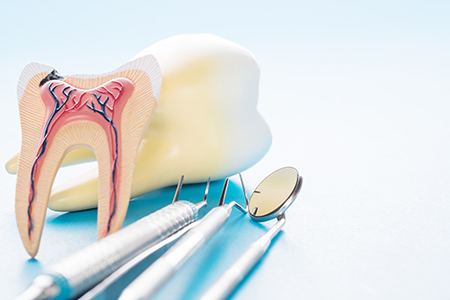
After the procedure, it's normal to experience some tenderness or mild soreness as surrounding tissues heal. Over-the-counter pain relievers are often adequate, and any prescribed medications should be taken exactly as directed. If antibiotics are provided for an active infection, it’s important to finish the entire course.
Root canal therapy removes the nerve and blood supply from the treated tooth, which can make the remaining structure more prone to fracture if left unprotected. For that reason, most teeth benefit from a permanent crown or a similarly protective restoration placed once healing is confirmed. Restoring the tooth strengthens it and restores full chewing function.
Continue routine oral hygiene—gentle brushing, daily flossing, and regular dental checkups—to support healing and long-term success. If any new or lingering symptoms develop after treatment, contact the practice promptly for assessment and follow-up care.
You may feel numb for a short time after treatment. Avoid chewing until sensation returns to prevent accidentally biting the cheek or tongue.
Mild discomfort is common for a few days. This typically responds well to recommended pain relief and should steadily improve.
If antibiotics are prescribed to manage infection, complete the entire course as directed to ensure effective resolution.
A temporary filling may be placed between appointments. Avoid hard or sticky foods and try to chew on the opposite side until the final restoration is in place.
Continuing to brush and floss supports healing and helps prevent future problems in treated and adjacent teeth.
A crown or other definitive restoration protects the tooth long-term and restores full function. Your dentist will recommend the optimal timing based on healing and the specifics of the case.
At the office of Clifton Modern Dentistry, we prioritize clear communication and thoughtful follow-up so you understand each step of care. With attentive aftercare and the appropriate restoration, a tooth treated with root canal therapy can serve you for many years.
In summary, root canal treatment is a conservative, reliable way to treat internal tooth infection and preserve natural teeth. If you have signs of a troubled tooth or questions about treatment options, please contact us for more information and to arrange a timely evaluation.


A root canal is a dental procedure that removes inflamed or infected tissue from inside a tooth, disinfects the internal spaces, and seals them to prevent reinfection. The goal is to preserve the natural tooth structure and restore normal function, avoiding extraction when possible. This treatment addresses problems that originate in the dental pulp due to deep decay, fracture, or trauma.
Keeping a treated tooth in place helps maintain proper bite, chewing ability, and the health of neighboring teeth and bone. With an appropriate final restoration, a tooth that has undergone root canal therapy can remain stable and functional for many years. Early diagnosis and timely treatment improve the likelihood of a long-lasting outcome.
Modern root canal therapy uses advanced tools and techniques such as digital radiographs, enhanced magnification, and precision instrumentation to improve accuracy and predictability. Local anesthesia and refined protocols make the experience far more comfortable than older approaches, and clinicians can identify complex anatomy more reliably. These improvements reduce treatment time and enhance the chances of a successful result.
Clinicians also use biocompatible filling materials and improved sealing methods to limit the risk of reinfection. When needed, contemporary sedation options are available to help anxious patients remain relaxed during care. Together, these advances make root canal therapy a conservative, tooth-preserving solution with excellent long-term outcomes.
Certain patterns commonly point to pulp involvement and warrant prompt evaluation, including persistent or worsening toothache, pain that wakes you at night, and sensitivity that lingers after exposure to hot or cold. Pain when biting, a visible darkening of a single tooth, or a sudden change in how a tooth feels can also be signs of internal damage. Gum swelling, a pimple-like bump near the tooth, or localized drainage suggests infection that requires professional care.
Not all infected teeth are painful, so radiographic changes such as bone loss near the root tip may be the first clue on an X-ray. Early assessment helps prevent minor problems from becoming more complex and increases the chance of saving the tooth. If you notice any of these signs, schedule an exam to determine whether root canal therapy or another treatment is appropriate.
Root canal therapy is performed under local anesthesia so the tooth and surrounding tissues are numb and you remain comfortable during treatment. The clinician creates a small access opening, carefully removes the diseased pulp, cleans and shapes the canals, and places a biocompatible filling material to seal the internal spaces. The work is done to eliminate infection and prepare the tooth for a durable final restoration.
Some cases are completed in a single visit while others benefit from multiple appointments depending on anatomy, the presence of infection, or scheduling needs. Modern imaging and magnification help clinicians locate all canal spaces and perform treatment efficiently. If dental anxiety is a concern, additional sedation options can be discussed to improve comfort and cooperation.
Thanks to modern local anesthetics and gentle techniques, most patients report that root canal treatment feels similar to having a routine filling. Your clinician will numb the area thoroughly before beginning, monitor your comfort throughout the visit, and use methods to reduce pressure and sensitivity. Communication during the procedure lets the team address any discomfort immediately.
For patients with significant anxiety or complex cases, sedation options such as nitrous oxide or oral sedatives may be offered to help you relax. Post-procedure soreness is common for a few days and usually responds to over-the-counter pain relievers as recommended by your dentist. If stronger pain control or antibiotics are needed for an active infection, your dentist will prescribe and explain how to use them safely.
Recovery from root canal therapy is generally quick; most patients experience only mild soreness or tenderness for a few days as surrounding tissues heal. You may be numb for a short period after the appointment, so avoid chewing on that side until sensation returns to prevent accidentally biting soft tissues. Follow any instructions about medications, oral hygiene, and eating to support healing.
A temporary filling may be placed between appointments, and it is important to avoid very hard or sticky foods until the final restoration is in place. If antibiotics were prescribed for an infection, complete the full course as directed. Contact the office if you notice increasing pain, swelling, or any other concerning symptoms so follow-up care can be arranged.
Because a tooth that has had root canal therapy no longer contains its nerve and blood supply, the remaining structure can be more prone to fracture over time, especially in back teeth that endure heavy chewing forces. A crown or similarly protective restoration is commonly recommended to strengthen the tooth, restore full function, and prevent future damage. The specific type of restoration depends on how much natural tooth remains and the tooth's position in the mouth.
In some cases, less extensive options such as onlays or custom restorations may be appropriate, but your dentist will recommend the best choice based on clinical findings and long-term prognosis. Timely placement of the definitive restoration is important to protect the treated tooth and maximize its longevity. Regular checkups help ensure the restoration continues to perform as intended.
Root canal treatment is highly successful, but failures can occur for reasons such as missed or blocked canals, reinfection, a new fracture, or delays in placing the permanent restoration. If symptoms recur or radiographs show persistent or worsening changes, your dentist will evaluate the cause and discuss options. Common solutions include nonsurgical retreatment to clean and reseal the canals, or surgical procedures such as an apicoectomy to address persistent infection at the root tip.
If retreatment is not feasible or unlikely to succeed, extraction and replacement with a prosthetic option may be considered to restore function and preserve bone. The appropriate choice depends on the tooth's condition, overall oral health, and the expected prognosis. Your dental team will explain the benefits and limitations of each approach so you can make an informed decision.
Preventing the need for root canal therapy centers on maintaining good oral hygiene, treating cavities early, and protecting teeth from injury. Brushing twice daily with fluoride toothpaste, daily flossing, and routine dental exams with X-rays help catch decay or fractures before they progress to the pulp. Using a mouthguard for contact sports or nighttime grinding can also prevent traumatic damage that might expose the pulp.
Prompt attention to chips, cracks, or persistent sensitivity can keep problems from becoming more serious. Your dentist can recommend targeted preventive measures such as sealants, occlusal guards, or restorative treatment to strengthen vulnerable teeth. Regular professional care and early intervention remain the most effective ways to preserve natural teeth long-term.
At Clifton Modern Dentistry, care begins with a thorough evaluation using modern diagnostic tools to determine the extent of pulp involvement and to plan treatment tailored to each patient's needs. We emphasize clear communication about the procedure, available comfort options, and what to expect during recovery so patients can make informed decisions. Our clinicians use contemporary techniques and magnification to perform treatment precisely and efficiently.
After therapy, the practice provides detailed aftercare instructions and schedules follow-up visits to confirm healing and to plan the final restoration when appropriate. We coordinate with patients on timing for crowns or other protective work and remain available for questions or urgent concerns. This approach supports predictable outcomes and helps preserve treated teeth for many years.

Have Questions or Need an Appointment?
Getting in touch with Clifton Modern Dentistry is simple! Call us or use our online form, and our friendly team will help you schedule visits, answer your questions, and guide you toward the best care for your smile.
Don’t wait—start your journey to a healthier, brighter smile today!